Tips
December 18, 2025
By Dee
Affordable Dog Grooming in Harlow: Quality Care Without High Prices
Finding affordable dog grooming in Harlow should not mean cutting corners or settling for ...
Read More

5mins
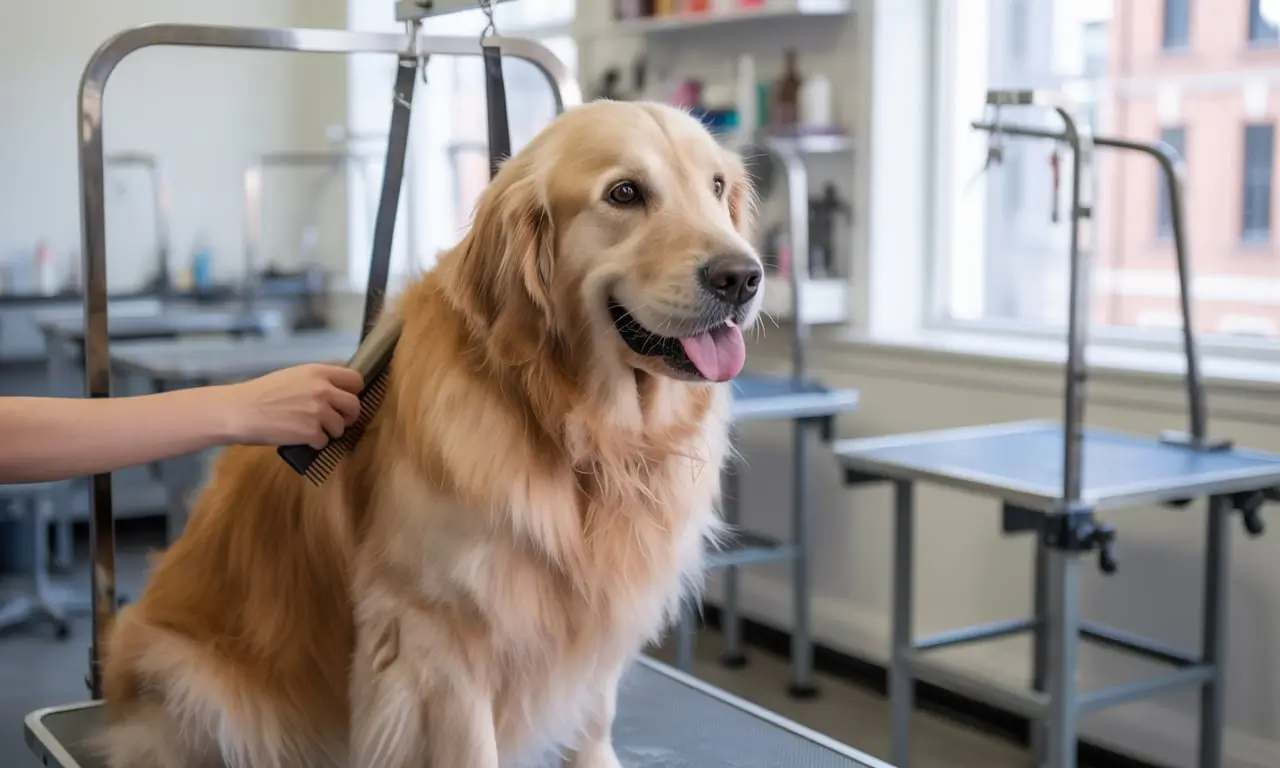
Looking for dog grooming in Essex? This guide explains what grooming includes, how often your dog needs it, and how to prepare for a calm, positive visit. Whether you live in Harlow, Epping, Roydon, Nazeing, Sheering, Sawbridgeworth, or nearby towns, the steps are the same: keep the coat clean, the skin healthy, and the experience stress free.
Regular grooming is not just a haircut. It supports skin health, comfort, and behaviour. Start with small, steady habits at home, then book professional care when your dog needs more than a brush.
Dog grooming covers coat care and basic hygiene. A standard appointment usually includes:
Bath with dog-safe shampoo and conditioner
Blow dry and brush out, removing loose coat and knots
Clipping, scissoring, or hand stripping (coat dependent)
Nail trim and paw tidy
Ear clean and hygiene check
Sanitary trim if required
Good groomers tailor each step to breed, coat type, and temperament. Pressure and pace should match your dog’s comfort.
Frequency depends on coat type, lifestyle, and how much brushing you do at home. Use this as a guide:
At home: weekly brush with a rubber mitt to lift shed hair.
Salon: every 8–12 weeks for bath, de-shed, nails, and hygiene.
At home: two to three times a week during heavy shed.
Salon: every 8–10 weeks for de-shedding bath, force-dry, and coat blowout. Avoid shaving. It can affect coat quality and temperature control.
At home: daily to every other day brushing to prevent matting.
Salon: every 4–6 weeks for bath, fluff dry, and clip. Curly coats felt quickly if not brushed thoroughly at the skin.
At home: daily brushing and regular eye area clean.
Salon: every 6–8 weeks for tidy, trim, and hygiene.
At home: twice weekly slicker and comb.
Salon: every 8–12 weeks. Hand stripping keeps texture if suitable. Discuss breed standard vs pet trim.
Give a short walk and toilet break.
Avoid feeding a full meal within 2 hours of the appointment.
Bring any vet notes and tell the groomer about allergies, skin issues, or sensitive areas.
A calm salon will use non-slip mats, gentle handling, and breaks when needed. Puppies and anxious dogs may have shorter, positive sessions to build confidence.
Expect your dog to be clean, dry, and comfortable. Light shedding after a de-shed is normal. If the groomer finds anything unusual, for example a skin hotspot or ear redness, they should tell you so you can monitor or speak with your vet.
Book an introduction session once vaccinations are complete. Keep it short: meet the team, stand on the table, feel the dryer on a low setting, gentle brush, treat, and home. A few calm visits at this stage reduce stress later.
Knots pull on the skin and can hide sores. Brush to the skin, not just the surface. Use a slicker brush followed by a comb to check for snagging behind ears, armpits, and groin.
You cannot stop it, but you can manage it. Routine de-shed, high quality diet, and a regular bath and blowout reduce loose hair around the home.
Long nails change gait and can split. Book trims every 3–6 weeks, or ask for a quick check during walks-in if your groomer offers this.
Breeds with heavy ears need regular checks. Keep the eye area clean in flat-faced and silky breeds to reduce tear staining.
Training and insurance: ask about qualifications and who they are insured with.
Handling style: watch how staff greet and handle dogs. Calm voices and patient handling matter.
Hygiene and set-up: clean tables, fresh towels, safe dryers, and well-kept tools.
Clear communication: they should ask about health, coat history, and your preferred trim, then explain what is realistic.
Transparent pricing and timings: costs vary by breed, size, and coat condition [stat needed]. Agree the trim and time window before you leave.
Brush little and often: 5 minutes a day beats 30 minutes once a week.
Comb after brushing: if the comb snags, keep going gently until it glides through.
Dry properly after rain or swims: moisture trapped in a thick coat can cause skin issues.
Check high-friction zones: collar line, behind ears, armpits, tail base.
Positive rewards: treats and calm praise build good habits.
Spring: heavy shedding for double coats. Book a de-shed early.
Summer: shade, fresh water, shorter but not shaved coats for sun protection where coat type needs it.
Autumn: mud season. Rinse paws and legs after walks, dry fully.
Winter: trim feathering, keep paw pads neat, and check for ice balls between toes.
Groomers are not vets, but regular appointments mean they often notice changes early: new lumps, sore patches, ear smell, weight changes, cracked pads, or fleas. Good salons will flag concerns and suggest you speak with your vet.
Choose a salon near your routine, for example on your commute through Chelmsford or near weekend walks in Epping Forest.
Book your next appointment before you leave to keep the coat on schedule.
For busy times, such as pre-Christmas, book several weeks in advance.
Consistent grooming keeps dogs comfortable, clean, and confident. Match the schedule to the coat, brush a little each day, and work with a patient, qualified groomer. The result is a healthy coat, easier maintenance, and a happier dog.
Ready to book dog grooming in Essex? Choose a coat-friendly slot today and tell us your dog’s breed and any problem areas. We will plan a calm session and send simple at-home tips to keep the coat in good shape between visits.
Copyright © 2026. Sweeney Pups. All rights reserved.